Smoke Damage Cleanup: What Merced County Homeowners Should Ask
A practical guide to discussing affected rooms, belongings, cleanup scope, and the handoff to repairs after a fire.
CF Property Restoration · October 26, 2026
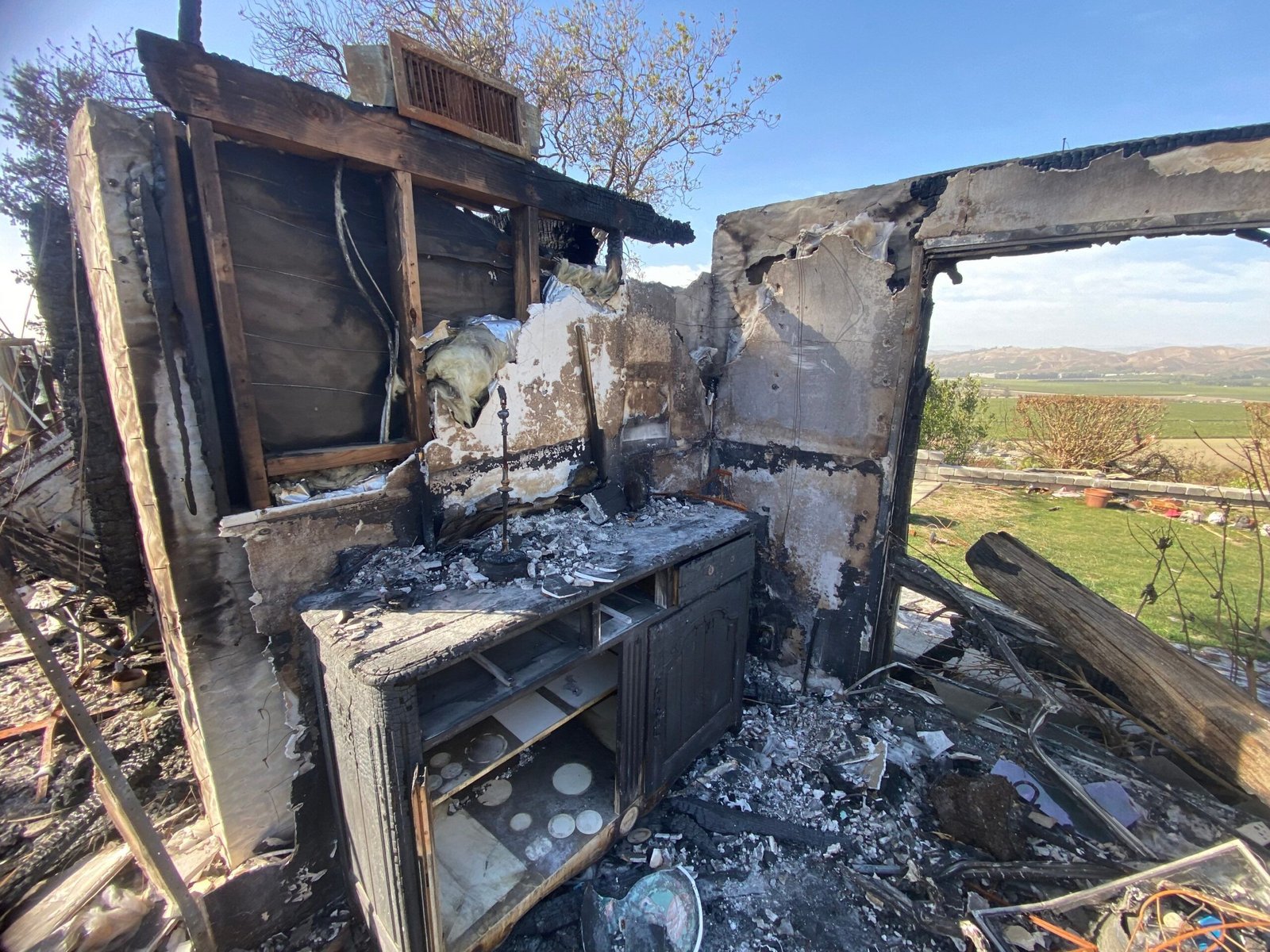
After emergency crews have dealt with a fire, the next decisions are rarely limited to the burned area. Homeowners may be looking at smoke residue in adjoining rooms, belongings that need evaluation, and water left from firefighting. This guide helps Merced County residents prepare for a restoration assessment and understand what a written cleanup plan should explain.
Confirm access before assessing belongings
Follow the fire department’s directions about entering the property. Permission to enter one area does not mean every room, utility, or appliance is ready for normal use. Ask what restrictions remain and pass those instructions to the restoration team before an appointment.
The U.S. Fire Administration’s recovery resources provide a starting point for organizing the first steps after a home fire. If you are still arranging immediate assistance and safe access, begin with CFPR’s first-steps guide after a house fire.
Describe the rooms, not just the fire’s starting point
When speaking with the contractor, name the room where the fire began and the other areas where you noticed visible changes or odors. Mention doors that were open, rooms emergency crews entered, and any known water damage. Share observations without assuming they establish the complete scope.
Ask which areas will be inspected and how the team will decide what requires cleaning, further evaluation, or removal. A small burned area and a small restoration scope are not necessarily the same thing. The assessment should connect the proposed work to actual conditions in the building.
Separate the building from its contents
A room contains more than walls and flooring. Furniture, clothing, stored items, appliances, and personal belongings may need separate decisions. Ask whether the proposal includes contents evaluation and handling, or whether those services will be arranged under another scope.
Prepare a list of essential and sentimental items before the discussion. Explain priorities without entering a restricted area to retrieve them. If items must be moved, confirm how they will be identified, where they will go, and how their condition and disposition will be recorded. Our pack-out planning guide explains the practical questions around moving belongings out and back.
Get specific about cleaning, removal, and odors
Ask for the affected surfaces and proposed work to be listed by room. Which items are being evaluated for cleaning? Which materials are proposed for removal? What additional findings might change the plan? Avoid relying on a broad line such as “smoke cleanup” when several different tasks are involved.
If an odor treatment is proposed, ask what preparation is required, whether anyone may occupy the space during the work, and what conditions must be met before returning. Do not use a deodorizing product or treatment as proof that residue has been removed. Let the contractor explain the purpose and limits of each part of the scope.
Plan the handoff to repairs
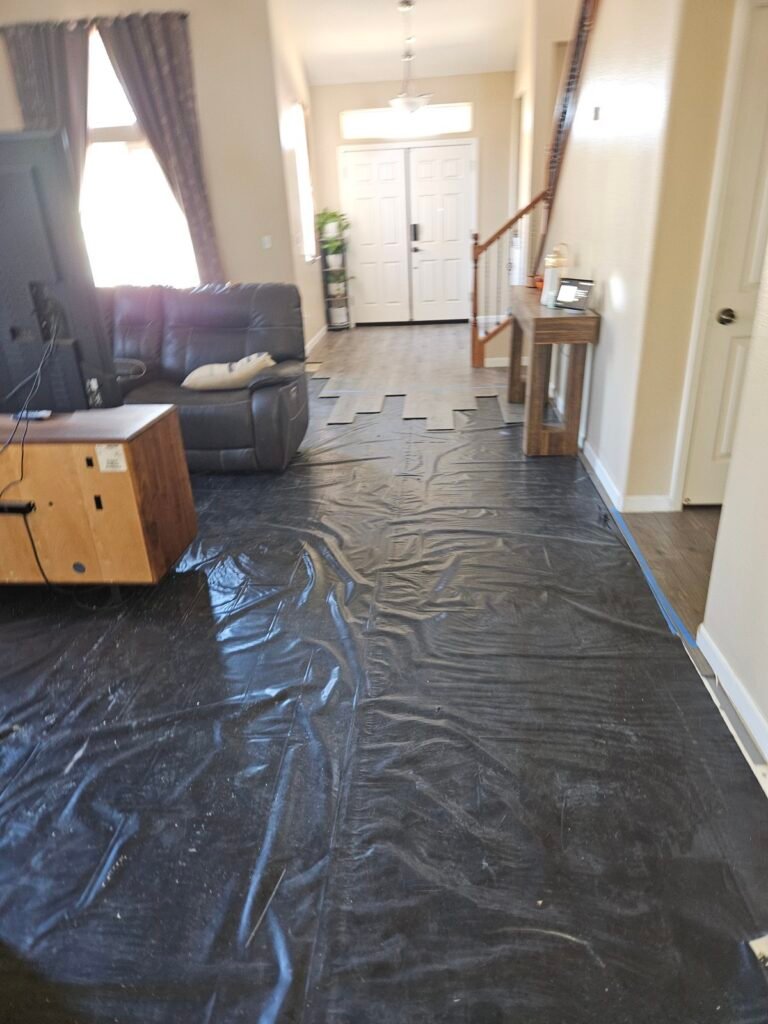
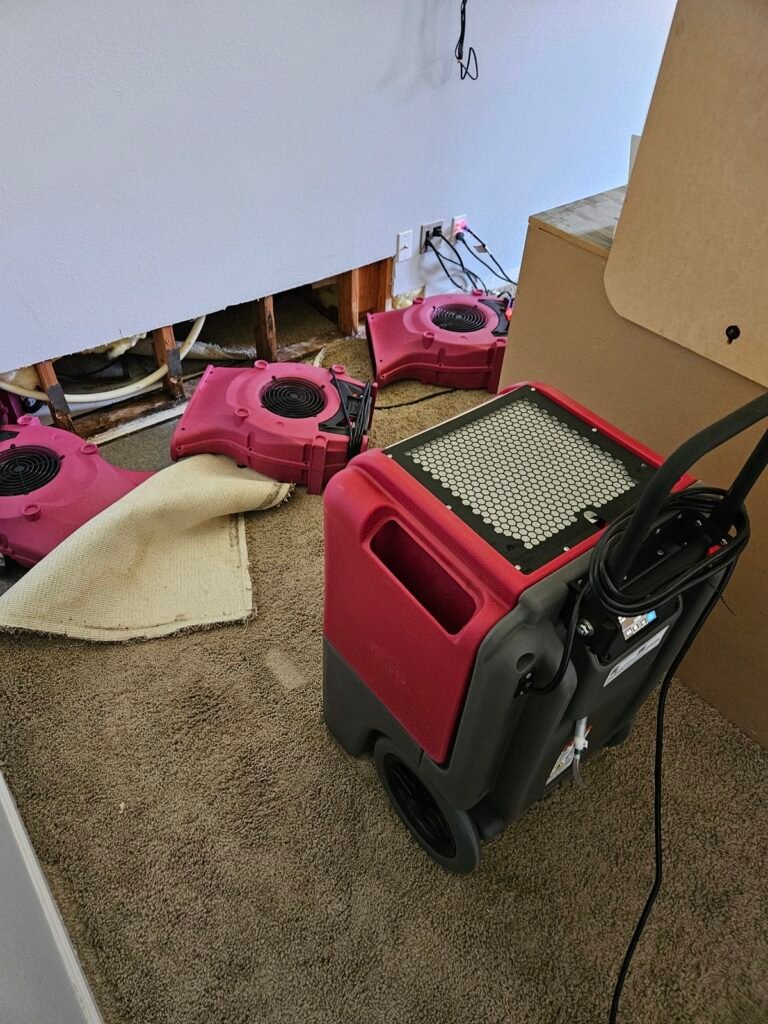
Before paint, new finishes, or replacement belongings are brought in, confirm which cleanup tasks must be completed and who checks that the next stage can begin. Ask whether drying related to firefighting water is part of the work and how it will be coordinated with repairs.
Keep a simple list of milestones: assessment, agreed scope, contents decisions, cleanup completion, and repair handoff. Record who owns the next action. If more than one company is involved, request a clear point of contact so questions about access, scheduling, or unfinished work are not passed between crews.
Common smoke-damage planning questions
Can a room that was not burned still need assessment? Yes. Tell the contractor about residue, odors, and other changes outside the original fire area so those rooms can be considered. The inspection determines the work needed; proximity alone is not a complete scope.
Should I discard everything that smells smoky? Do not make a blanket decision based on odor alone. Ask for an item-specific evaluation and discuss documentation before disposal, while following immediate safety directions from officials.
Does the cleanup estimate cover rebuilding? Ask explicitly. Removal, cleaning, contents handling, and reconstruction may be separate parts of the project. Get the inclusions and exclusions in writing before comparing estimates or making scheduling plans.
Talk with CFPR about the next step
CFPR’s local pages cover fire damage restoration in Merced and fire damage restoration in Atwater. Homeowners in Livingston, Los Banos, Gustine, and Dos Palos can find their city through the Merced County service-area hub.
Call (209) 934-2377 with the property location, the known affected areas, and any access restrictions. Those details help frame a useful conversation about cleanup and the next phase of recovery.
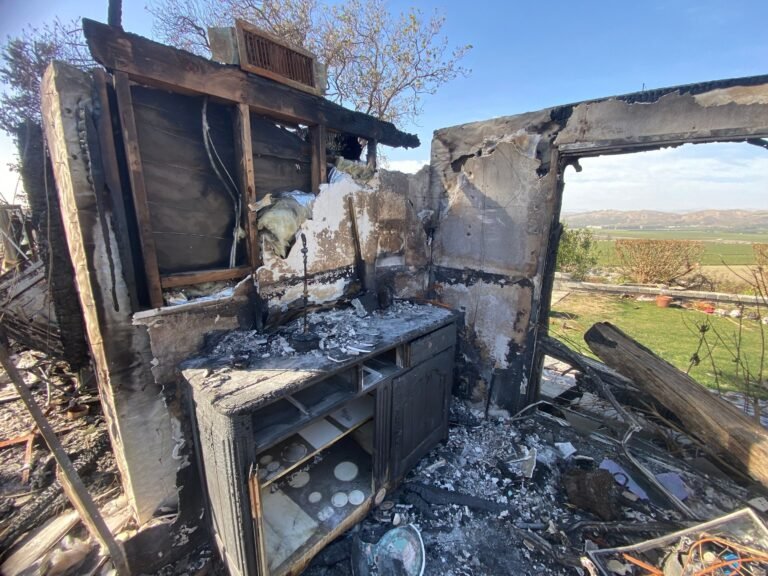
Photo: Fire-damage illustration from CFPR’s service page; not a new project case study.
Talk with CF Property Restoration
Tell us where the property is and what happened so we can discuss the next step.